Ripple

"When CCA ends, our community continues" — a two-part proposal for
keeping a century-old creative community alive after its physical home closes.

Winner of the CCA Impact Award for Outstanding Startup

When I arrived at California College of the Arts (CCA), I expected to find a vibrant arts community. Instead, I found a community whose spirit had been eroded by department silos, campus moves, and funding cuts—even before the school’s impending closure was announced. Together with two members of my cohort, I decided to take action. Ripple is a community building initiative responding to the upcoming closure aimed at building the infrastructure to help this 120-year old community stay connected beyond the formal institution. 

Our interventions were two-fold:
  1. CCAConnect is a digital home for alumni and faculty to stay connected, share their work, and preserve the school's history through a living archive.
  2. Third Space, which Lydia and I co-founded, is an in-person club bringing disciplines together to make and learn side by side. 

Our proposal won the CCA Impact Award for Outstanding Startup, and our Third Space club events have gathered more than a hundred participants and helped to forge real cross-disciplinary connections among students, faculty, and alumni. 
The problem
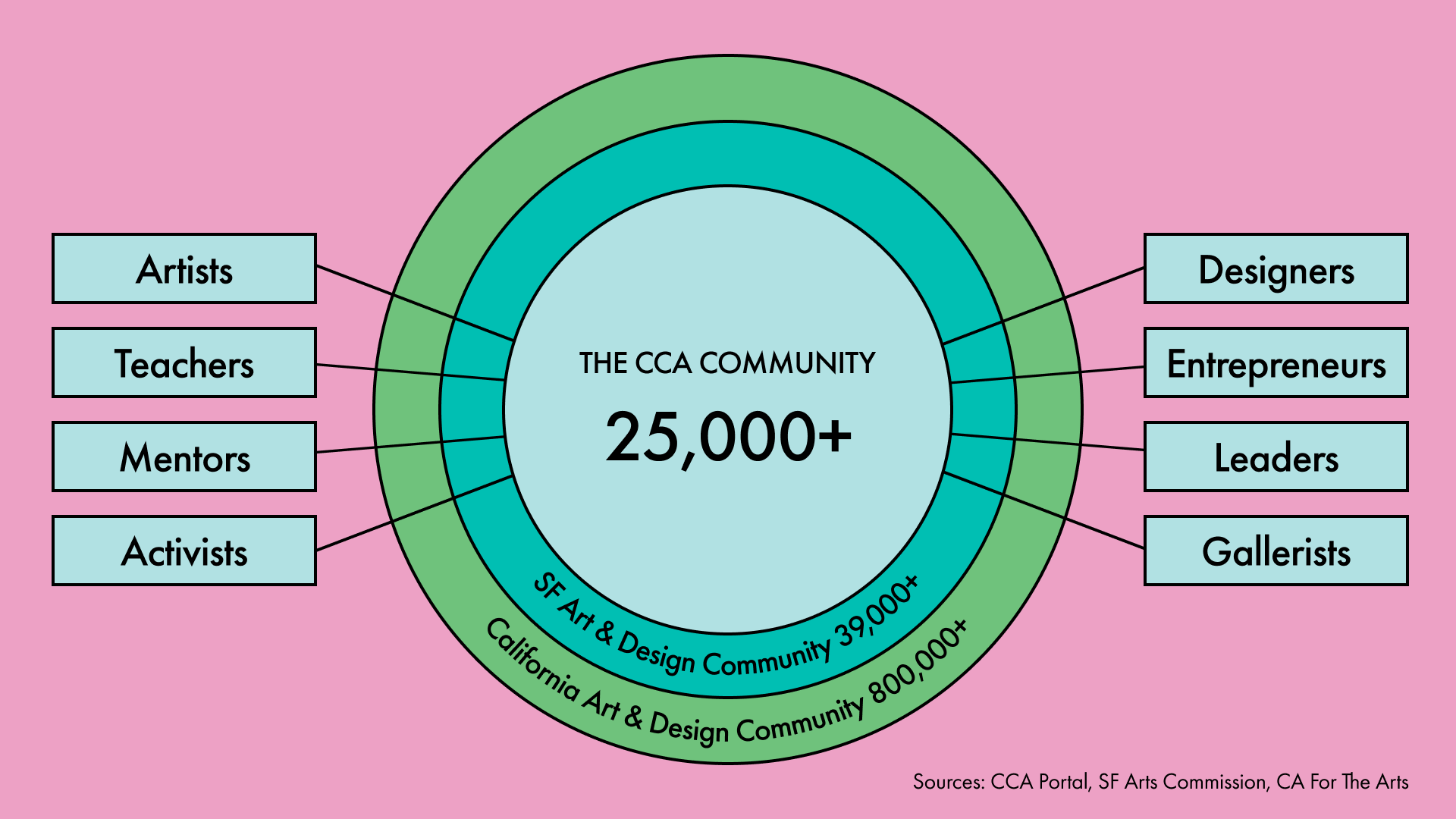
CCA’s closure (which follows a series of closures of other independent arts organizations in recent years) threatens the future of the arts in the Bay Area. As a 120-year old institution, CCA has been a home for fostering young talent, the same people that go on to become teachers, mentors, artists, entrepreneurs, and creative industry leaders. Without a physical institution to support this pipeline and foster these relationships, that community is at risk of disappearing.

However, even before the closure, the community was facing fragmentation. Interviewing faculty and students we heard again and again how separated people felt and how difficult they found it to build connections with people in other departments.
“I wish I knew people of other majors more, and I don't think I have an entry to do that without it being really weird… there's no natural way of doing that.”
— CCA Undergraduate Student
“We don't really get to collaborate...it’s very siloed.”
— CCA Masters of Fine Arts Student
“I don't feel welcome, and I don't feel like I have access to [other department’s] spaces.”
— CCA Faculty Member
Audience
With Ripple, we were designing for artists, designers, and creatives—CCA students, faculty, staff, and alumni—many of whom dislike traditional networking events and sites (such as LinkedIn). Instead, they are primarily interested in community building and sharing work and events (such as  gallery openings) with their community. 
Role
I co-created Ripple and co-founded Third Space with Lydia Chau—collaborating on brainstorming, marketing and outreach, and execution of the events. For CCAConnect, Lydia, Johanna Huarachi, and I shared responsibility for researching and concept development, then Lydia and I collaborated on the design of the platform.
Research and synthesis
We interviewed students, faculty, and alumni about how they experience community at CCA and researched how peer institutions had handled maintaining community after closure.

Our interviews confirmed that people outside our program were also experiencing the disconnection and yearning for more cross-discipline interaction.

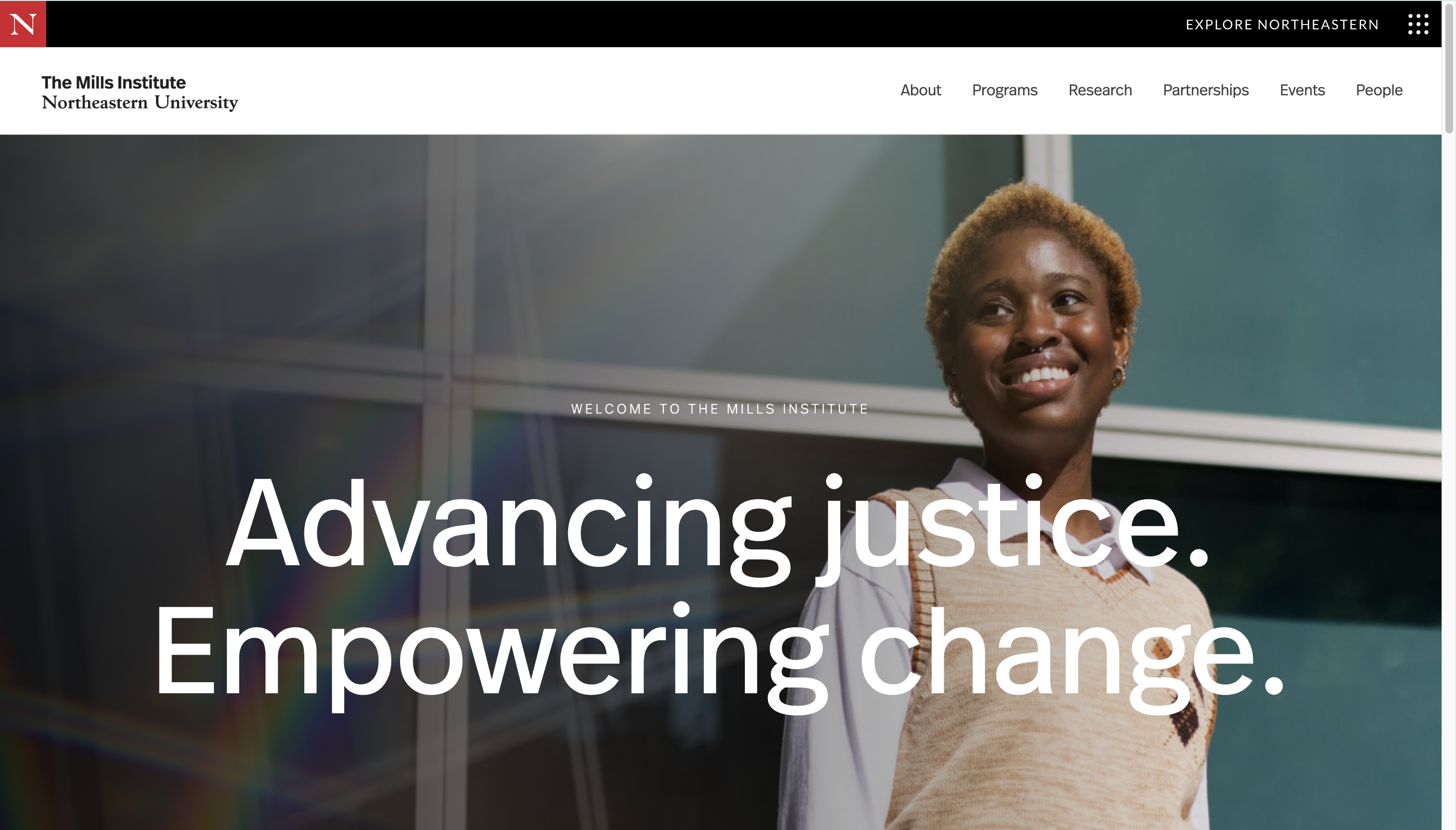
From our research into peer institutions, we found that an institution's promise to steward an archive (as Northeastern University had done for Mills College, and as Vanderbilt has promised CCA) doesn't automatically produce something alumni feel emotionally connected to. Instead, we found a grassroots effort, focused on connecting people (as we saw at San Francisco Art Institute) was more successful at bringing people together.
The Mills Institute, established by Northeastern to preserve Mill's legacy, has recieved backlash from Mills alumni who already felt mislead and displaced by the merger, similar to how many CCA students described feeling. Vanderbuilt has announced plans for a similar CCA institute.
Chronicle: The Merger That Spared Mills College May Be Erasing Its Identity
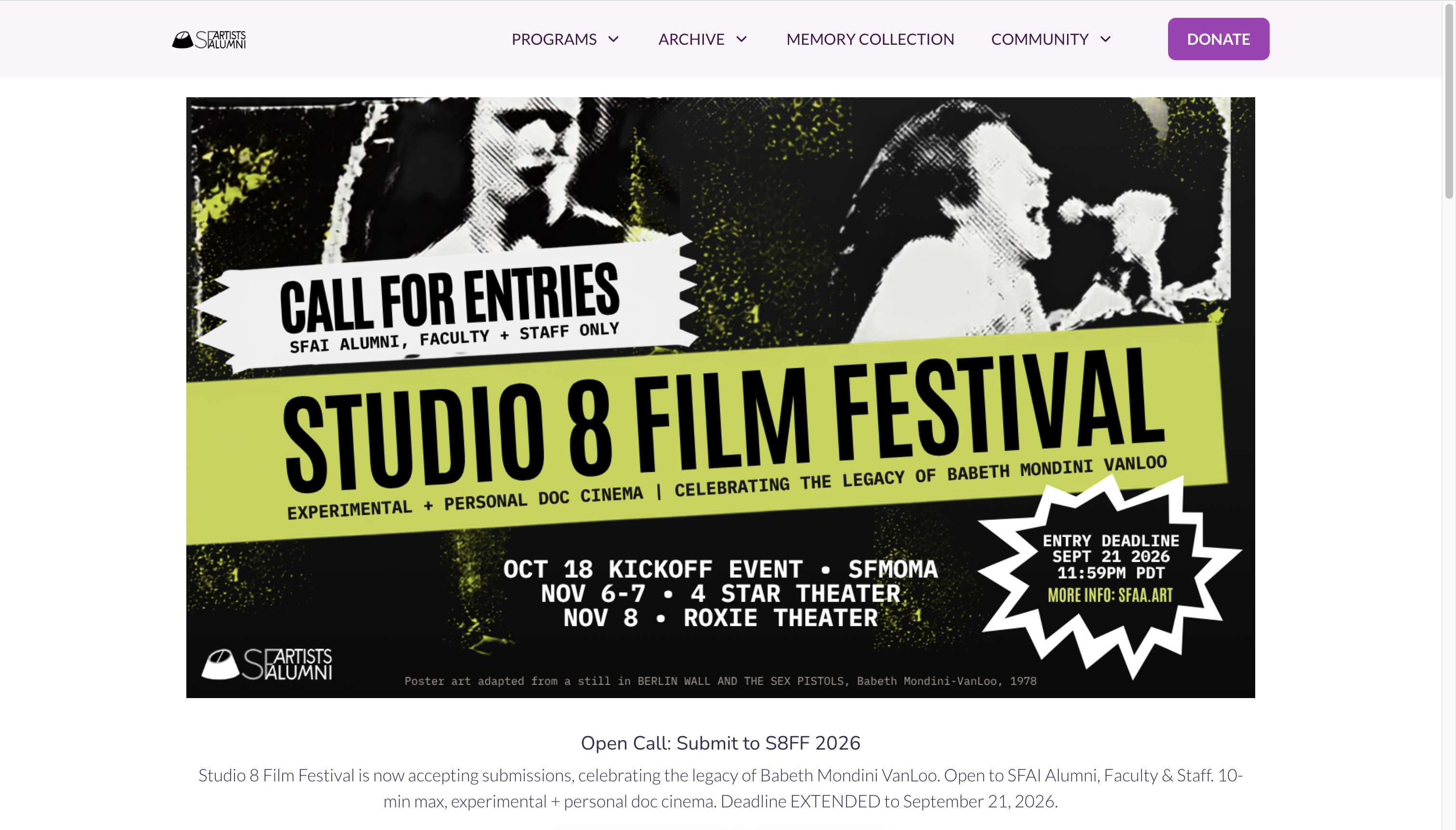
The SF Artists Alumni, a grassroots project led by former SFAI librarians, has succeeded in preserving community among SFAI alums. The group has also held fundraising events to cover the costs of independently stewarding the institution's archive.
SF Chronicle: ‘It’s all in here’: Inside the battle to save San Francisco Art Institute’s historic archive
Setting goals:
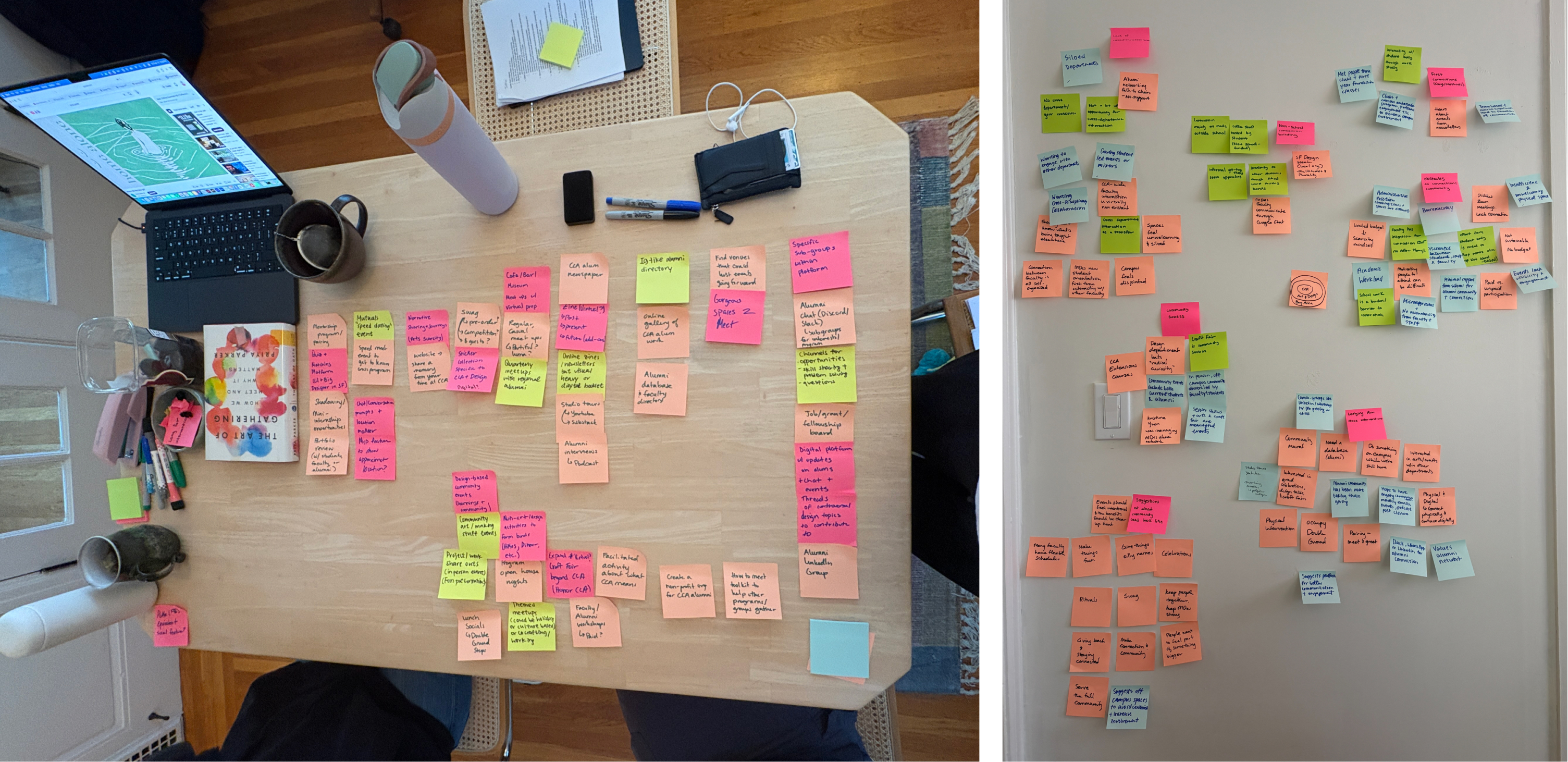
From this research, we synthesized a working list of goals for anything we designed:
  1. Bridge department and program silos
  2. Support both physical and digital, passive and active connection
  3. Make connections feel intentional and visible, not incidental
  4. Foster a culture of giving back
  5. Build a shared community identity and pride
  6. Create safe, transparent spaces
  7. Connect people to opportunities
  8. Be delightful and fun to be part of

Those eight goals became the guiding principles for every decision for both Third Space and CCAConnect from that point on. This also lead us to pursue a two-part solution, because no single format could address all of our objectives.
Solution brainstorming session
Third Space: Building In-Person Connection
Students and faculty alike told us their strongest relationships came from working side by side in a classroom or studio, but that doesn't create the cross-disciplinary mixing we were targeting, since people mostly stay inside their own program.

With Third Space, we intentionally chose to focus on in-person events exclusively, and we experimented with different gathering styles and sizes to see what resonated. In designing the gatherings, we used Priya Parker’s book, The Art of Gathering, as a guide. 
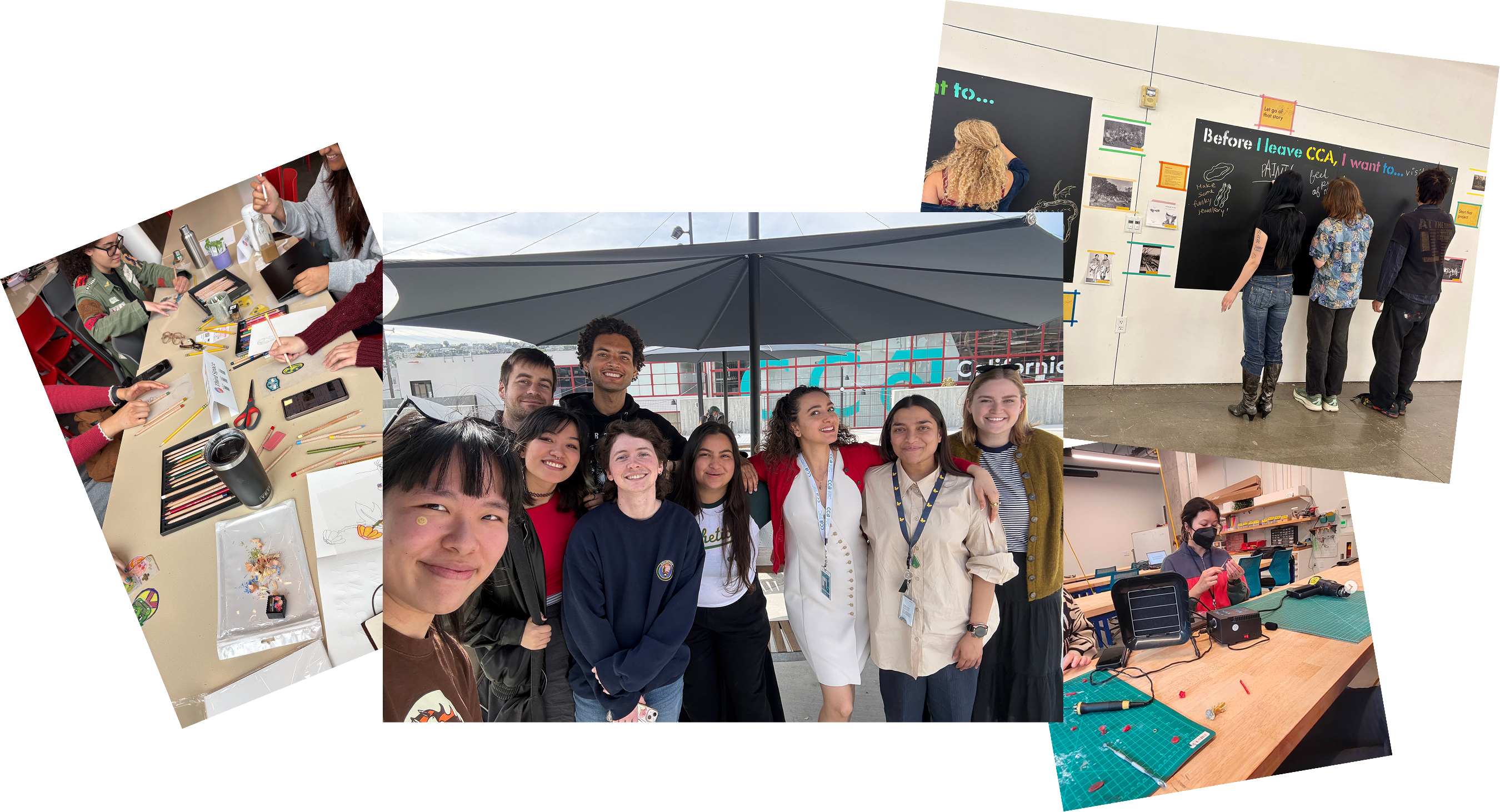
Over six months, we hosted six events, including:
  1. Bring Your Weird
    A creative show-and-tell. Our first gathering brought together graduate and undergraduate students from MDes, DMBA, Illustration, Interaction Design, Fine Arts, and more for an open conversation about creative process, challenges, and aspirations.
  2. Craft and Chat
    A no-pressure craft session built around a retro medium, Shrinky Dinks, meant to lower the social stakes of showing up alone.
  3. Before I Leave CCA, I Want To…
    A community mural inspired by Candy Chang's Before I Die project, giving people space to publicly reflect on the closure and start imagining what comes next. Due to the popularity of this event, we were asked to display these boards twice more—once for a graduation ceremony and once for an event welcoming the final year of CCA students back to campus.
  4. Jewelry Charm Workshop
    Small group workshop led by Lydia using moldable wax and sculpting tools to create a charm, which she then cast in bronze.
  5. End of Year Happy Hour
    A casual happy hour to celebrate the end of the year.
  6. Co-Work and Chill
    A summer break cafe meet up for students and alumni to come work on their portfolios, job applications, or a personal project.

Outcome:
Across our Third Space events, we’ve had over 100 participants and gotten to witness new friendships form, resources and contacts shared, and conversations started about what this time meant to people and what comes next. 

From people that attended, we heard:
“This is so needed. Why hasn’t there been more of this?”
— CCA Faculty Member
“This is the perfect anti-burnout activity!”
— CCA Masters of Design Student
“It is so important for creatives to be able to come together in community like this.”
— CCA Undergraduate Student
CCAConnect: Building a Digital Home
Why a digital home, separate from CCA:
Vanderbilt has agreed to steward CCA's physical and digital archives, but as Mills College's experience showed us, an institution honoring a legacy doesn't necessarily equate to a sense of community and belonging for alumni. 

Additionally, in the wake of the closure announcement, many of the students and faculty we interviewed had negative feelings about the current CCA administration and were not interested in engaging with an administration-led platform. Furthermore, the current platform CCA offers for students already feels clunky and sterile—something students seldom use voluntarily—and we were doubtful the institution would do better after closing. 

Therefore, we designed CCAConnect as an independent platform, ensuring the community's digital home wasn’t dependent on an institution and was grounded in community connection. 

The community-focused core:
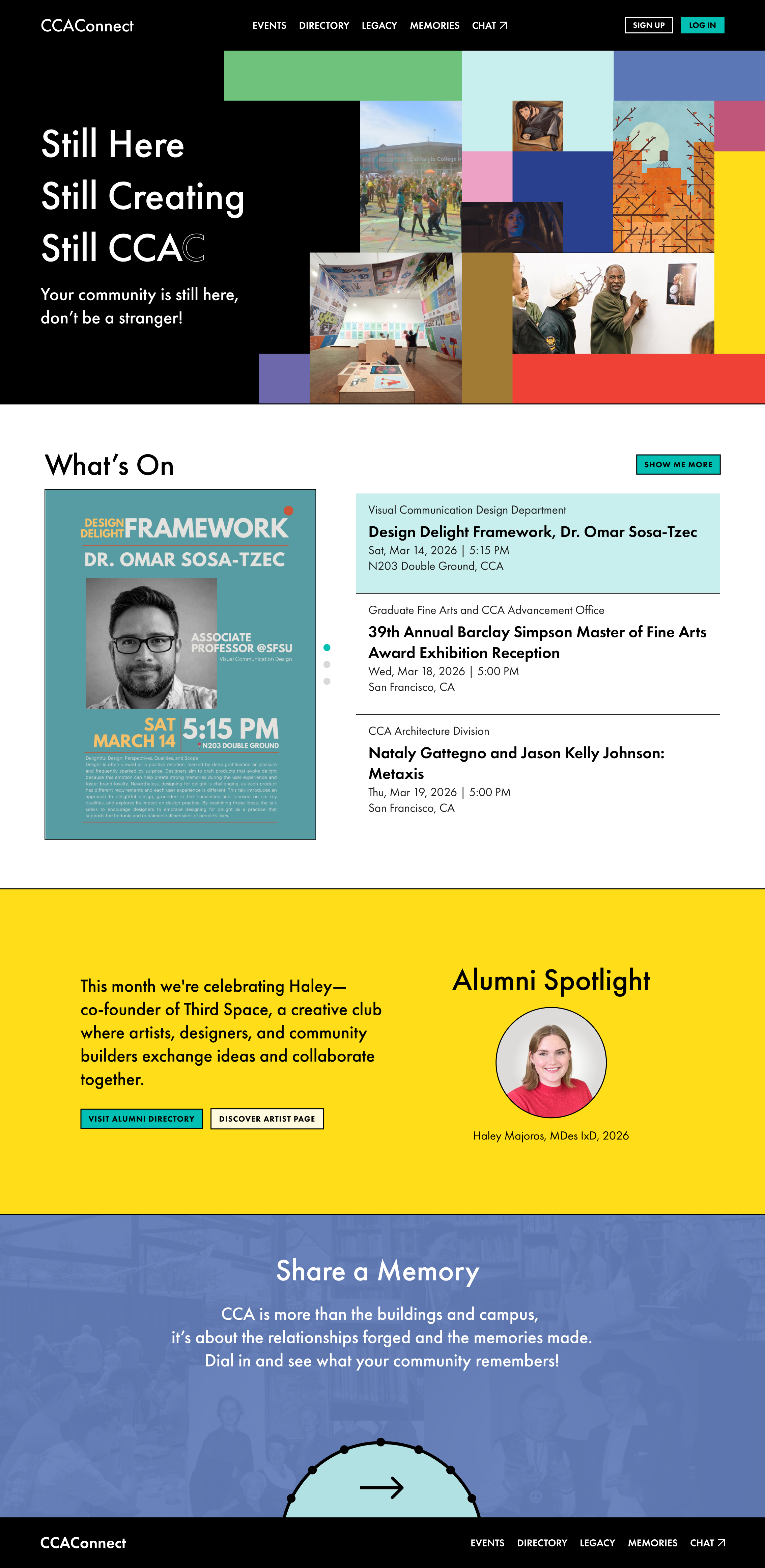
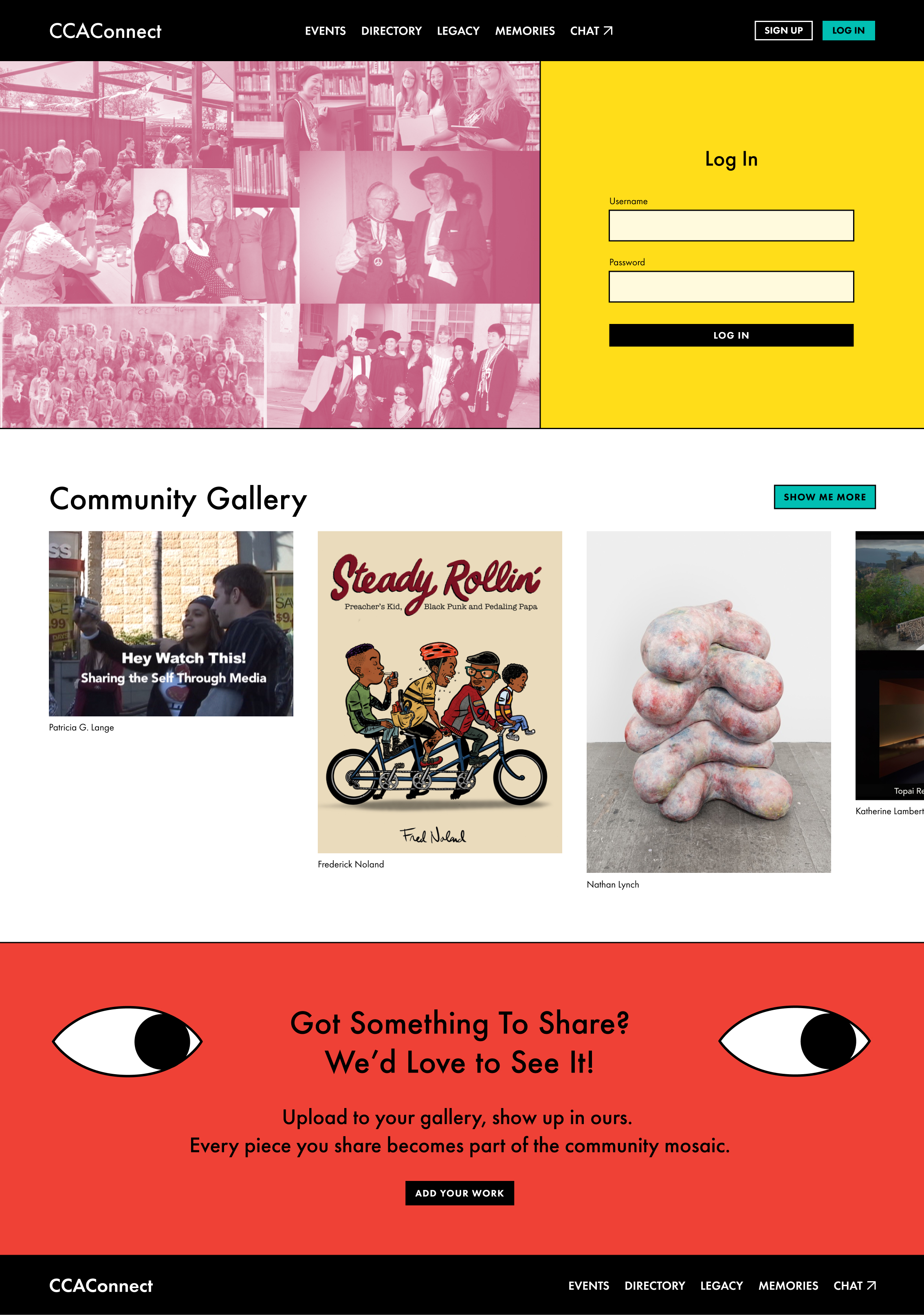
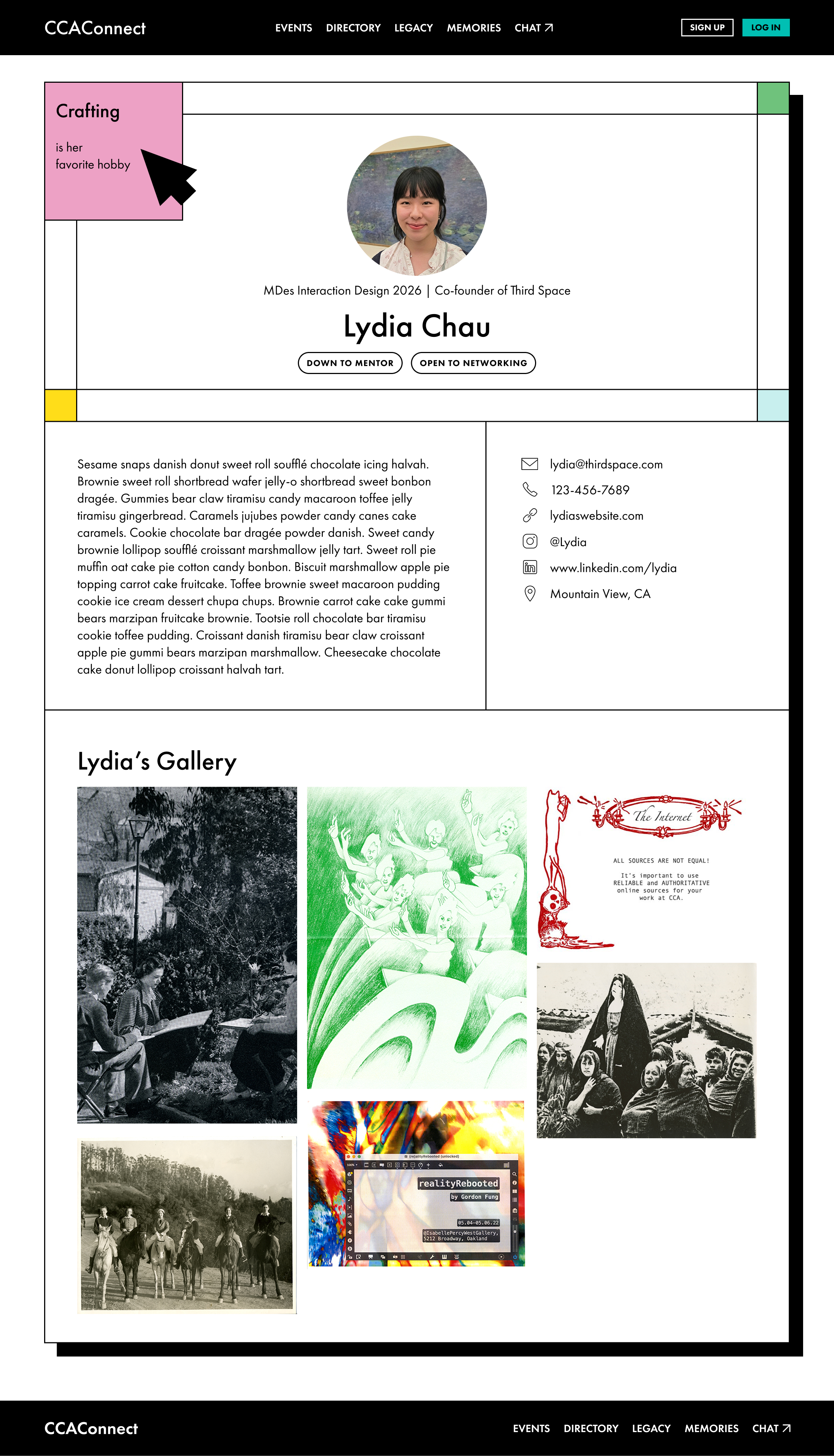
CCAConnect is built around a few core functions: a shared calendar of community events and a directory for discovering faculty and alumni and their work, plus a community Discord for ongoing conversation. We wanted the people in the community to be the focus and giving people ways to keep meeting each other and engaging to be central. 
Homepage
Directory log in
Individual directory profile
The archive experience—growing community identity through shared history:
Today, the CCA archive experience is very research-oriented. Despite being primarily an art archive, it is not image-oriented and doesn’t invite exploration—hardly any of the students or faculty we spoke to had ever looked at the archive or knew it existed. However, when we dug into the archive, we found inspiring work, delightful historical photos, and a profound sense of connection to the generations who came before us, something that made us feel even more responsible for keeping this community alive. 

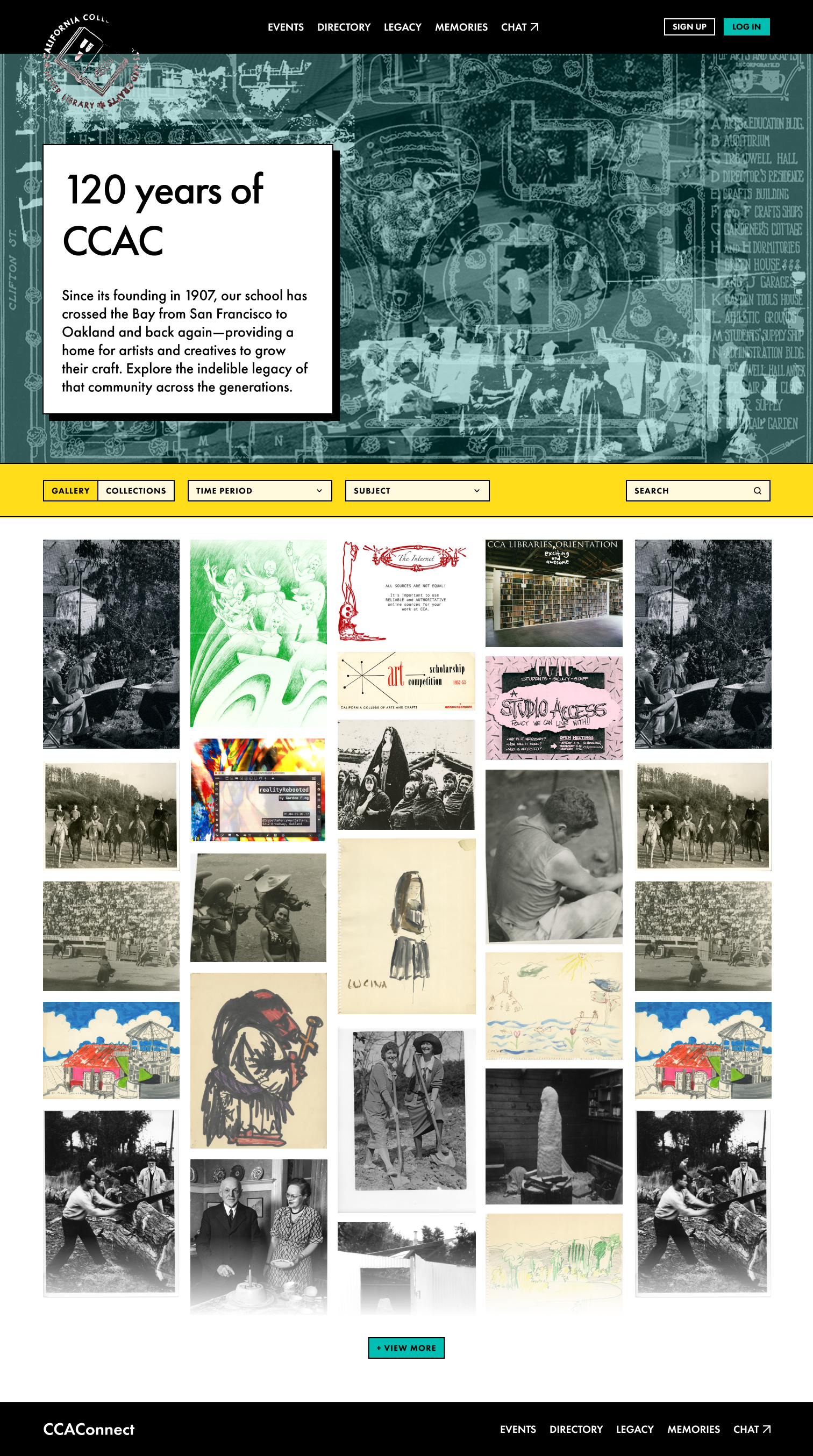
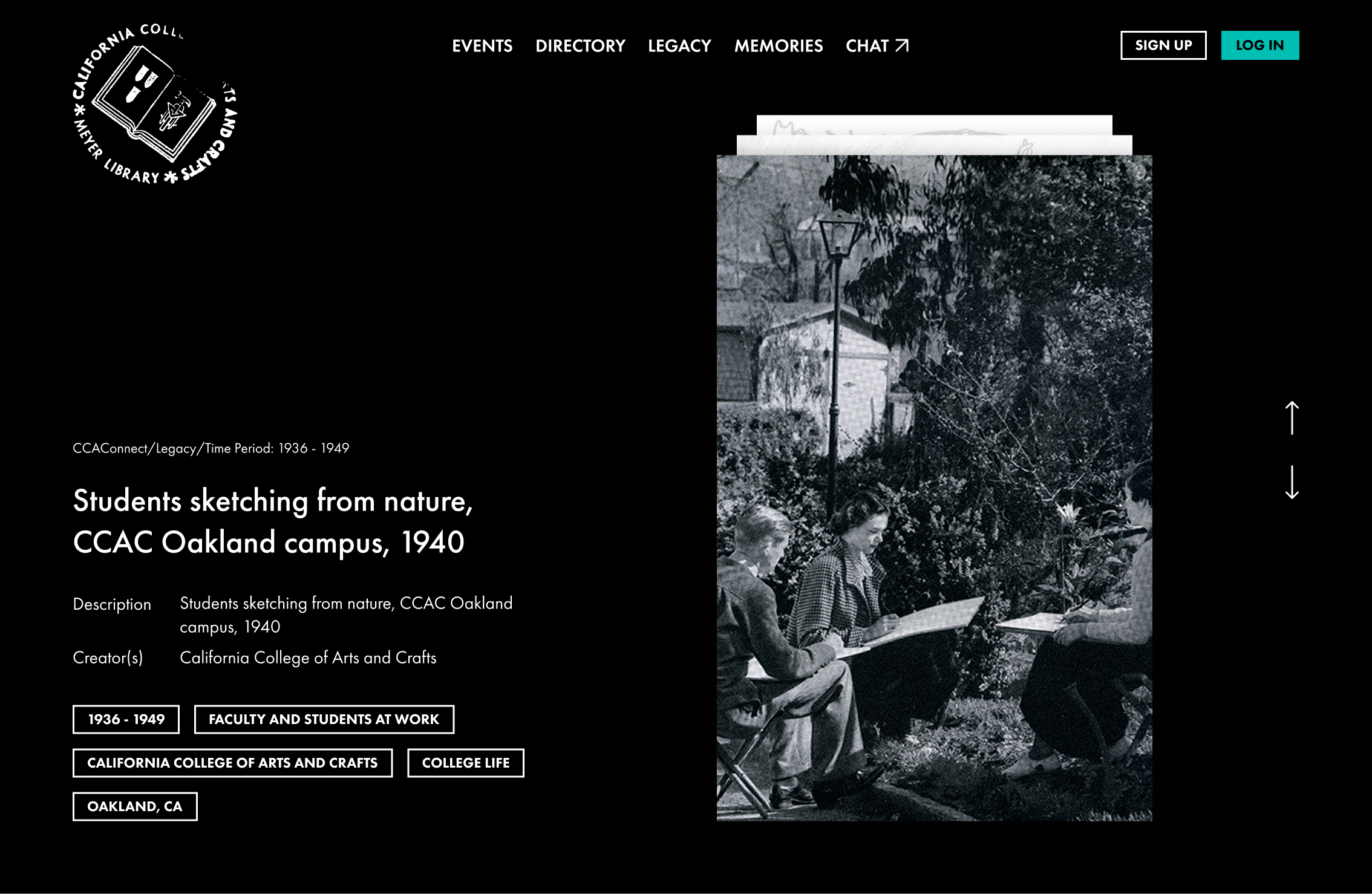
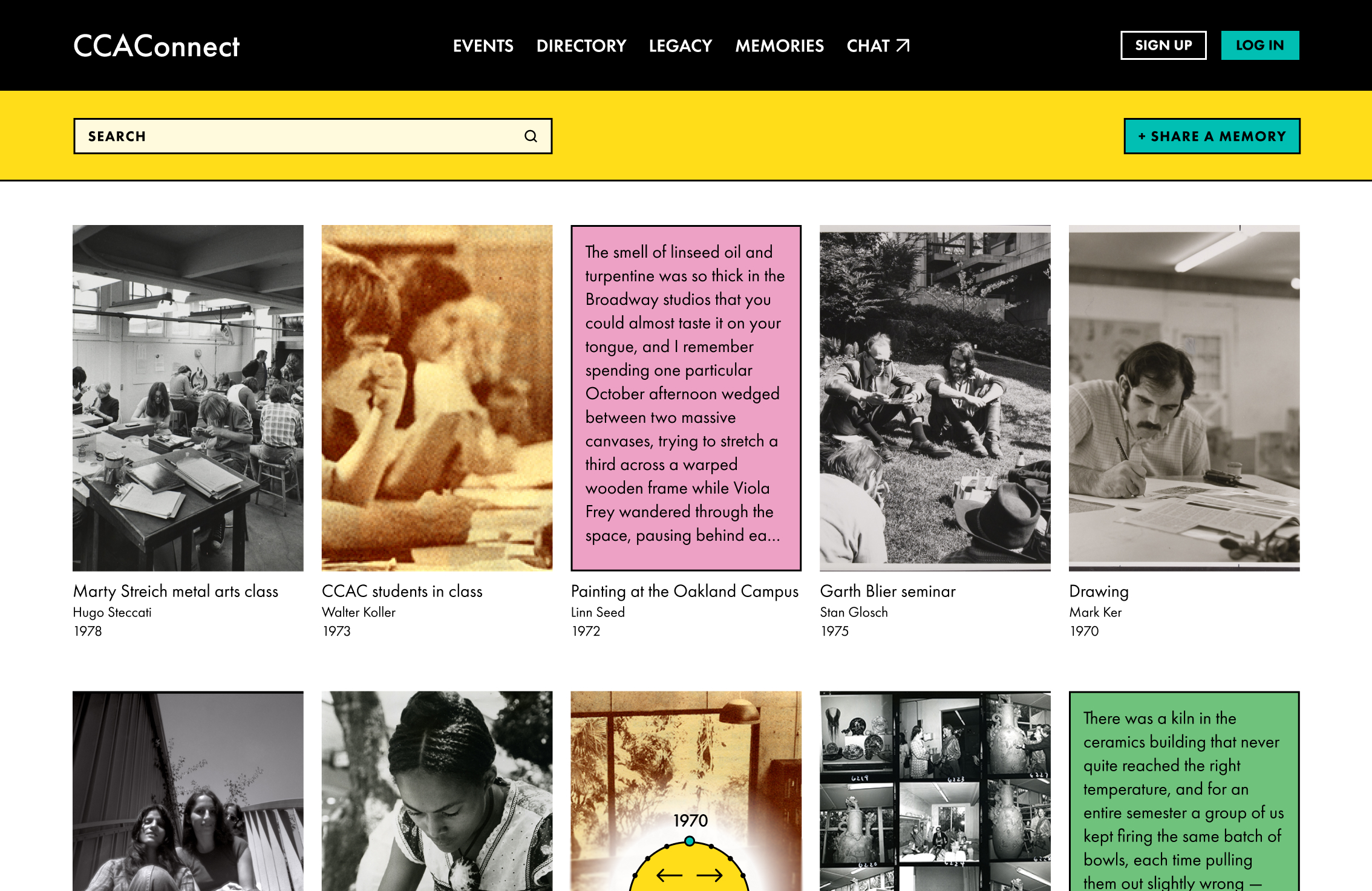
We wanted to spread what we found with others and also believed that more engagement with our shared history could help establish a foundation for the shared sense of community identity that had been eroded over the years. We designed an immersive, interactive archive experience on top of the library's CCA/C collection (which contains nearly a thousand items spanning the early 1900s to today), engaging with the archive could be an enjoyable experience that more people would want to spend time with.

Alongside it, we built a living archive page where community members can contribute their own memories from their time at CCA, to capture the human side of the institution’s history.
Archive homepage
Individual archive item
Living archive: share a memory
An aesthetic that appeals to CCA’s community:
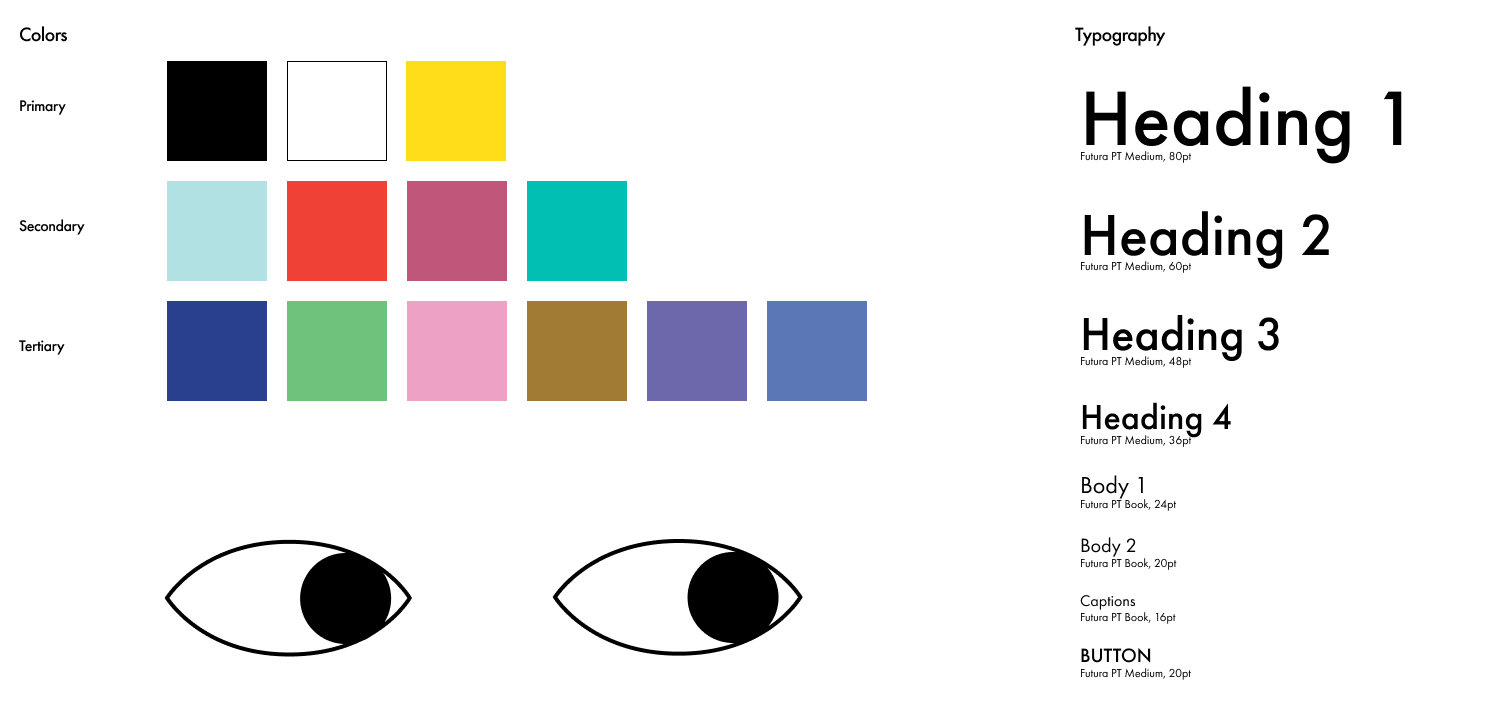
From our research, we heard that the typical “corporate” platform felt alienating and unappealing to many artists. As a result, we chose a Bauhaus-inspired visual style with bright colors and fun animated touches. 
When we showed these designs to members of the community, we heard:
“I love the way this looks! I would absolutely use this platform”
— CCA Faculty Member
“This would be a great way to show my portfolio!”
— CCA Uundergraduate Student